Tuning a compound bow is an essential step in archery that ensures accuracy, consistency, and precision. A well-tuned bow can make a significant difference in shooting accuracy and is an important step for archers to undertake. In this essay, we will discuss the various components and steps involved in tuning a compound bow.
Components of a Compound Bow
Before discussing the tuning process, it is important to understand the components of a compound bow. These components include:
Riser – The riser is the central part of the bow that holds the limbs, arrow rest, sight, and other accessories.
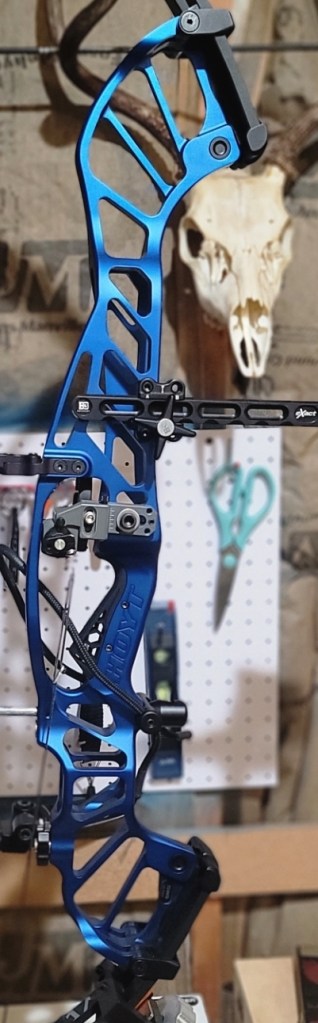
Limbs – The limbs are the parts of the bow that store energy when pulled, and release that energy when the bowstring is released.
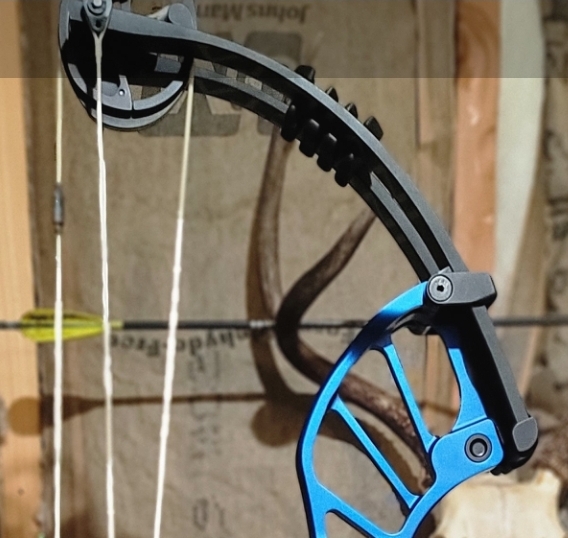
Bowstring – The bowstring is the cord that connects the two limbs and is used to draw the bow.

Cams – Compound bows have two cams or wheels at the end of each limb. These cams are responsible for reducing the draw weight of the bow.
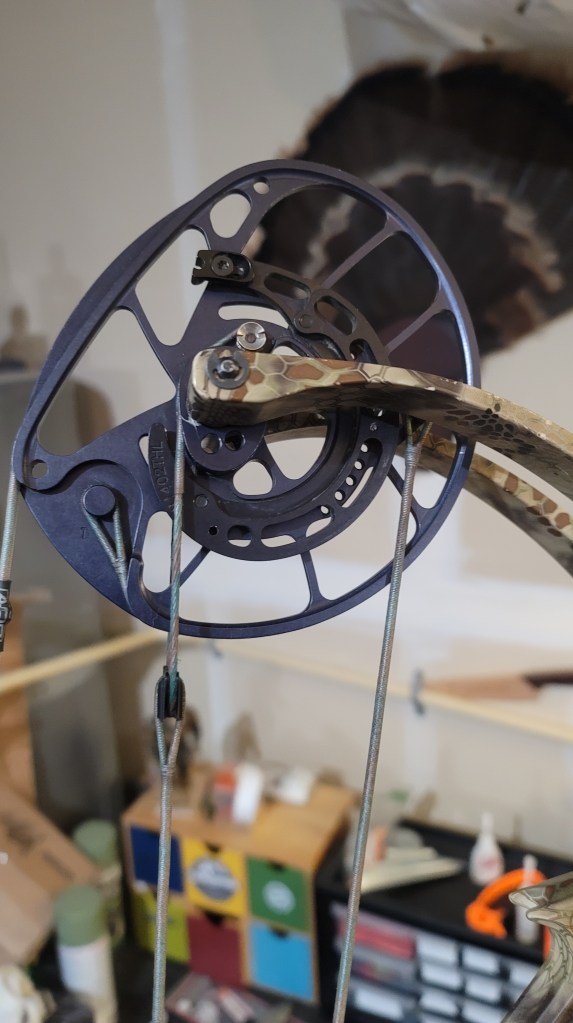
Cables – Cables connect the cams and transfer energy from the bowstring to the limbs.

Stabilizer – A stabilizer is a device attached to the bow that reduces vibrations and provides better balance.
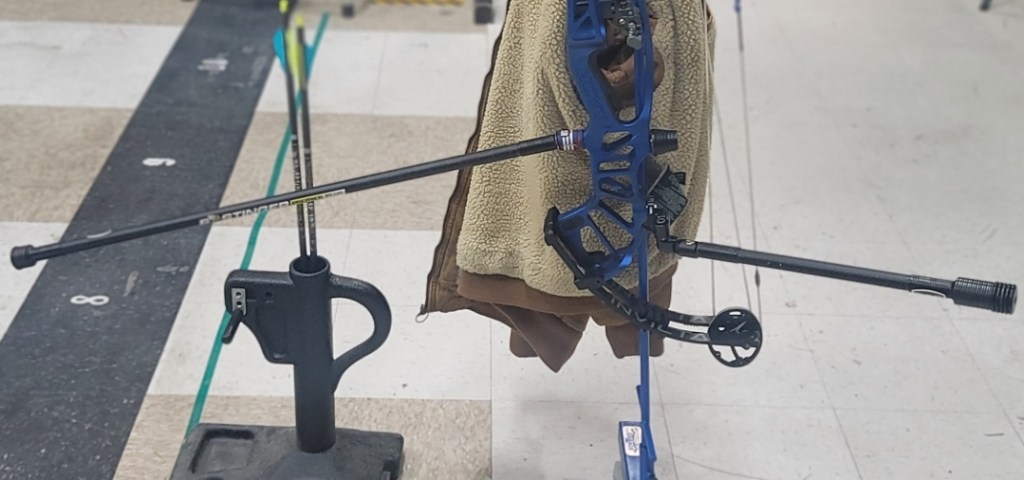
Arrow Rest – The arrow rest is a device that holds the arrow in place before and after the shot.

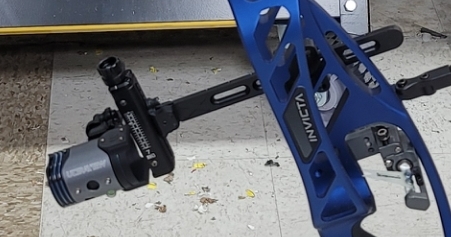
Sight – The sight is an accessory that helps the archer aim at the target accurately.
Peep sight – A peep sight is a small ring attached to the bowstring that helps the archer aim through the sight.

Steps to Tune a Compound Bow
The following are the steps involved in tuning a compound bow:
Check the bowstring – The bowstring should be checked for wear and tear. If it is worn out or has broken strands, it needs to be replaced.
Check the arrow rest – The arrow rest should be checked to ensure that it is securely attached to the bow and that it is not interfering with the arrow’s flight. Moving the rest left right up or down depending on how the arrow tears through paper. See Paper Tuning
Check the nocking point – The nocking point is the point where the arrow is attached to the bowstring. It should be checked to ensure that it is at the correct height. See Paper Tuning
Adjust the bow’s draw length – The draw length of the bow should be adjusted to match the shooter’s anchor point on the face, usually at the corner of the jaw or ear lobe.
Adjust the bow’s draw weight – The draw weight of the bow should be adjusted to match the shooter’s strength, arrow weight, and arrow spine.
Adjust the bow’s cam timing – The cam timing of the bow should be adjusted to ensure that both cams are in sync.
Adjust the bow’s arrow rest – The arrow rest should be adjusted to ensure that the arrow is positioned in the center of the bow.
Adjust the bow’s sight – The sight should be adjusted to ensure that it is accurately aligned with the target.
Test the bow – After making all the necessary adjustments, the bow should be tested to ensure that it is shooting accurately.
Conclusion
Tuning a compound bow is an essential step in archery that ensures accuracy, consistency, and precision. A well-tuned bow can make a significant difference in shooting accuracy and is an important step for archers to undertake. The steps involved in tuning a compound bow include checking the bowstring, arrow rest, and nocking point, adjusting the draw length and weight, cam timing, arrow rest, and sight, and testing the bow. By following these steps, archers can ensure that their bow is shooting accurately and consistently.
 The American Bowman Chronicles