Some men are mere hunters; others are turkey hunters.
—Archibald Rutledge
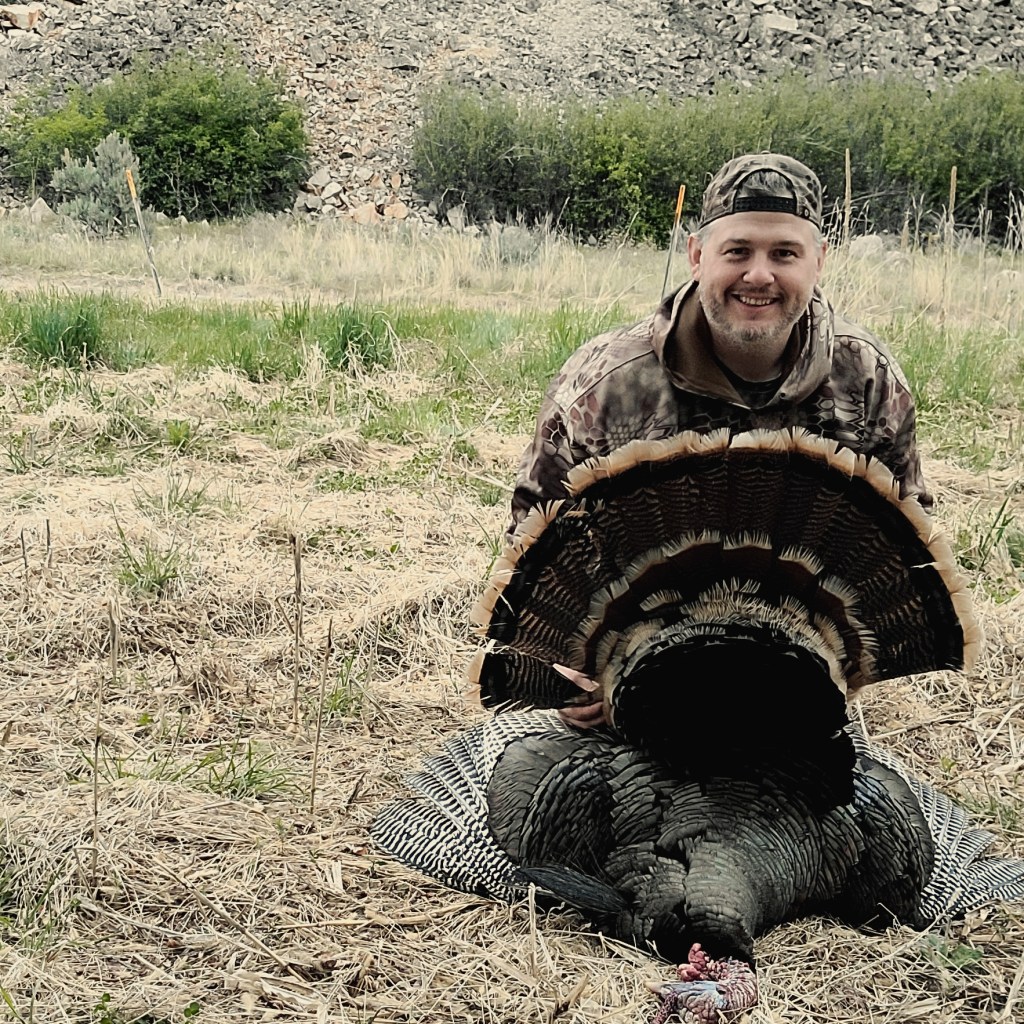
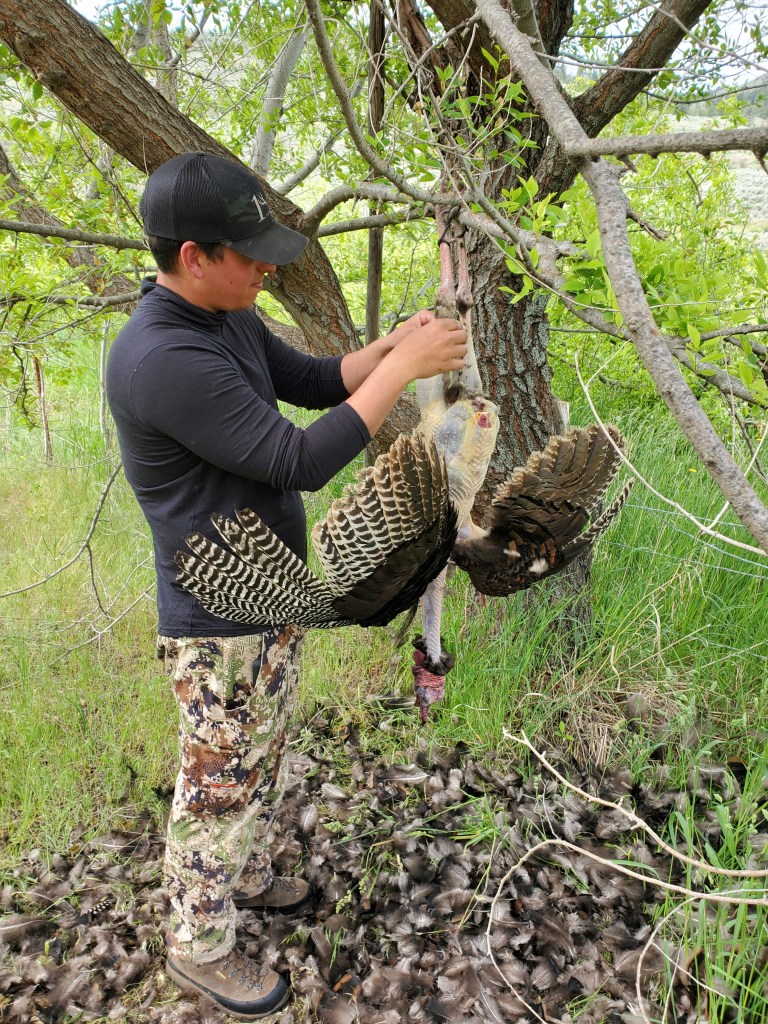
Turkey hunting is a thrilling and challenging sport that has been practiced for centuries. It requires skill, patience, and a deep understanding of the habits and behavior of wild turkeys. In this article, we will explore the basics of turkey hunting, including the equipment you will need, the techniques you will use, and the strategies you will employ to outsmart these wily birds.
Equipment
The first step in turkey hunting is to acquire the right equipment. You will need a few key items to get started, including:
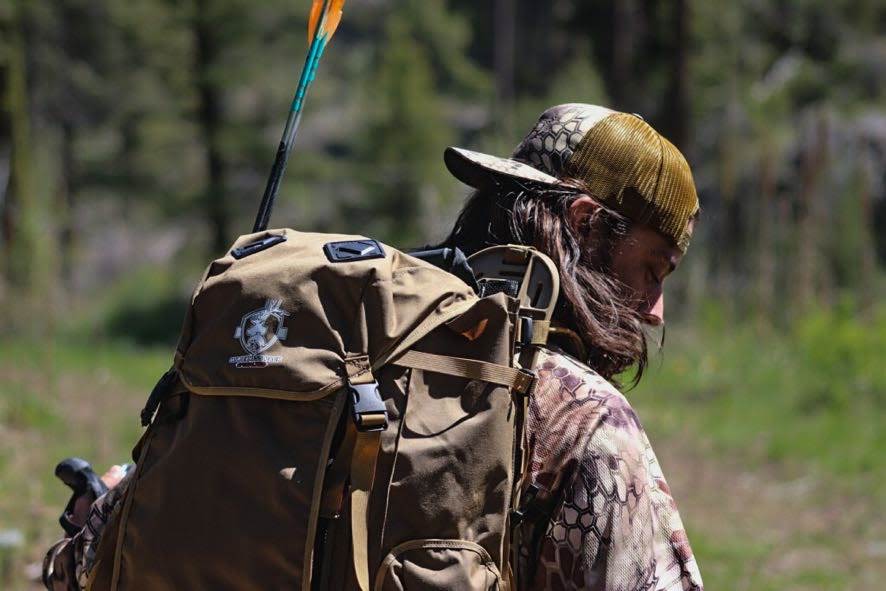
A shotgun or a bow. I have hunted with both and have found that archery hunting provides a greater challenge. This year I will be hunting with an Elite Omnia from Rock Creek Archery and I am upgrading the strings with a set from 60X Custom Bow Strings. I highly recommend hunting with a wide cutting mechanical broadhead to cause more damage and slow your arrow down. This will help you recover your kill quickly.

Camouflage clothing: Camouflage clothing is essential for blending in with your surroundings and remaining undetected by the turkeys.
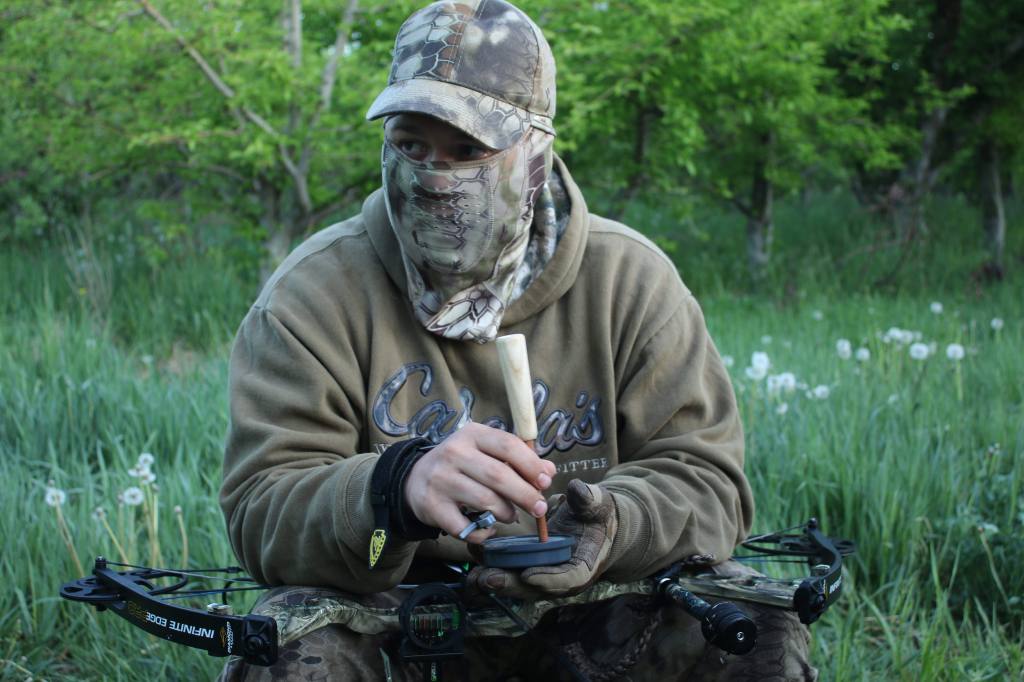
Calls: Turkey calls are used to mimic the sounds that turkeys make, such as clucks, yelps, and purrs. There are a variety of different calls available, including box calls, slate calls, and diaphragm calls.
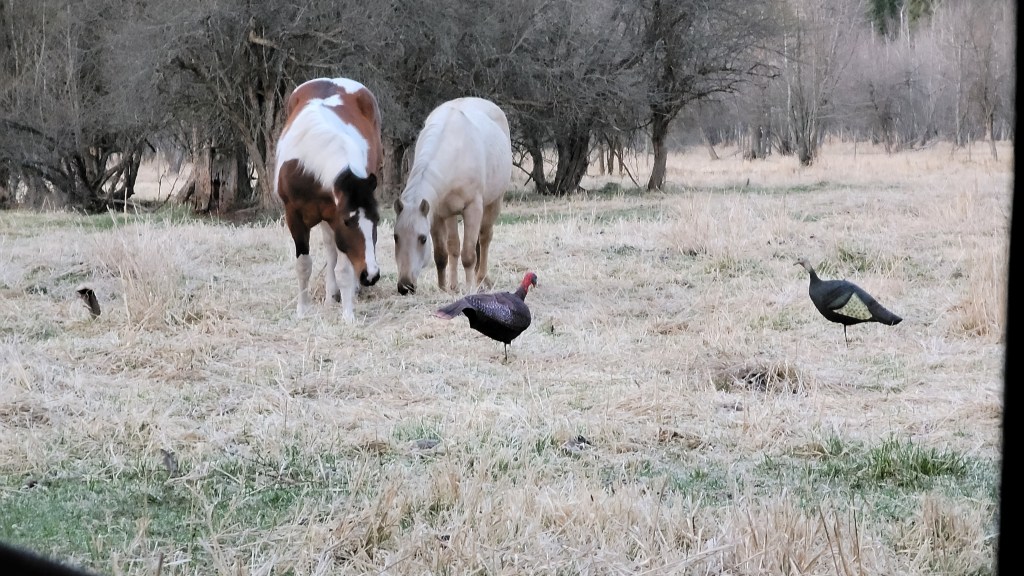
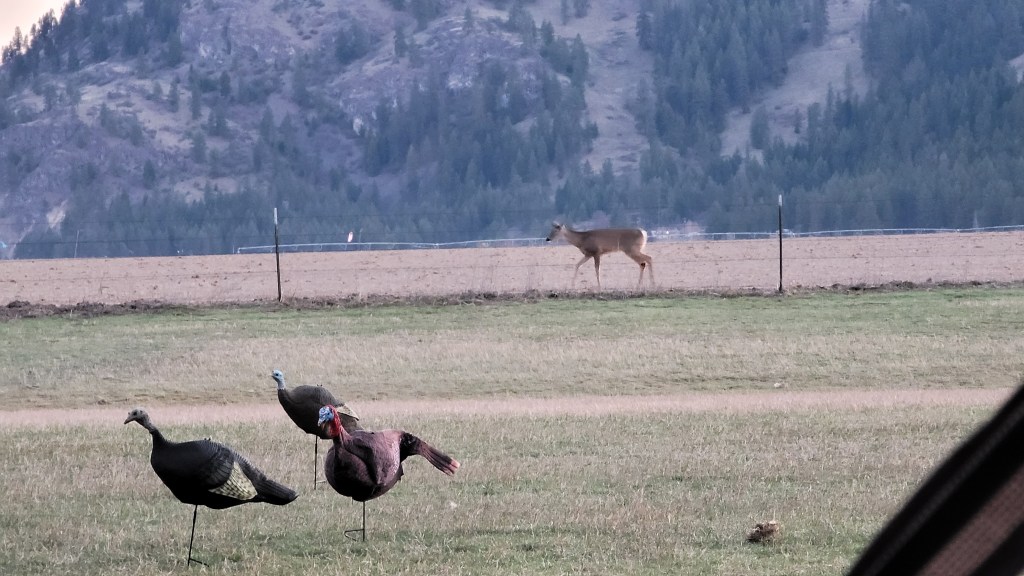
Decoys: Decoys are used to attract turkeys to your location. There are a variety of different decoys available, including hen decoys, jake decoys, and full-strut tom decoys.
Techniques
Once you have acquired the necessary equipment, it is time to learn the techniques used in turkey hunting. Here are a few basic techniques to get you started:
Scouting: Before you begin hunting, it is important to scout the area where you will be hunting. Look for areas where turkeys are likely to be found, such as fields, clearings, and roosting areas.
Calling: Turkey calling is a critical part of the hunt. The key is to use the right call at the right time, depending on the behavior of the turkeys. Experiment with a variety of different calls to see what works best. There are plenty of videos on YouTube that can guide you on how to call. It is important to not overcall. Sometimes you will get a Tom gobbling at every sound you make. Sometimes it is good to go quiet, so they come in looking. Practice, Practice, Practice. Your partner will appreciate you more if you practice in the garage.
Set up: Once you have located a turkey, it is time to set up your decoys and take your position. Make sure you are well hidden and have a clear line of sight to your decoys. I have seen a lot of success in setting up a bedded hen decoy with a young Jake decoy standing over her. This makes the mature Toms aggressively move into your setup.
Patience: Patience is key in turkey hunting. Turkeys are wary creatures and may take some time to approach your decoys. Be prepared to wait, but if nothing is sounding off go for walk about until you find sign of a roost.


Strategies
Finally, it is important to employ the right strategies in turkey hunting. Here are a few tips to help you succeed:
- Hunt in the morning and evening: Turkeys are most active in the morning, making it the best time to hunt. If you have found where the Thunder chickens are roosting, find a spot in between them and the roost for the evening.
- Use the right decoys: Depending on the behavior of the turkeys, different decoys may be more effective. Experiment with different types of decoys to see what works best.
- Stay still: Turkeys have excellent eyesight and can easily detect movement. Stay as still as possible to avoid detection. I have experienced this in the most exaggerated experience. I was on a nob in scrubland. I hear turkeys moving in from a mile away. I noticed the turkeys looking at me from a hillside. I was convinced they couldn’t see me. I put my right hand up and all 5 turkeys looked at my right hand. Then I put up my left hand, and they all moved their heads to look at my hand. I caught all this through my binos. This is up there for one of the craziest things I have seen while hunting.
- Be prepared for the shot: When the turkey approaches your decoys, be prepared to take the shot. Aim for the head or neck to ensure a clean kill with the shotgun. When using a bow, aim for the wing joint.

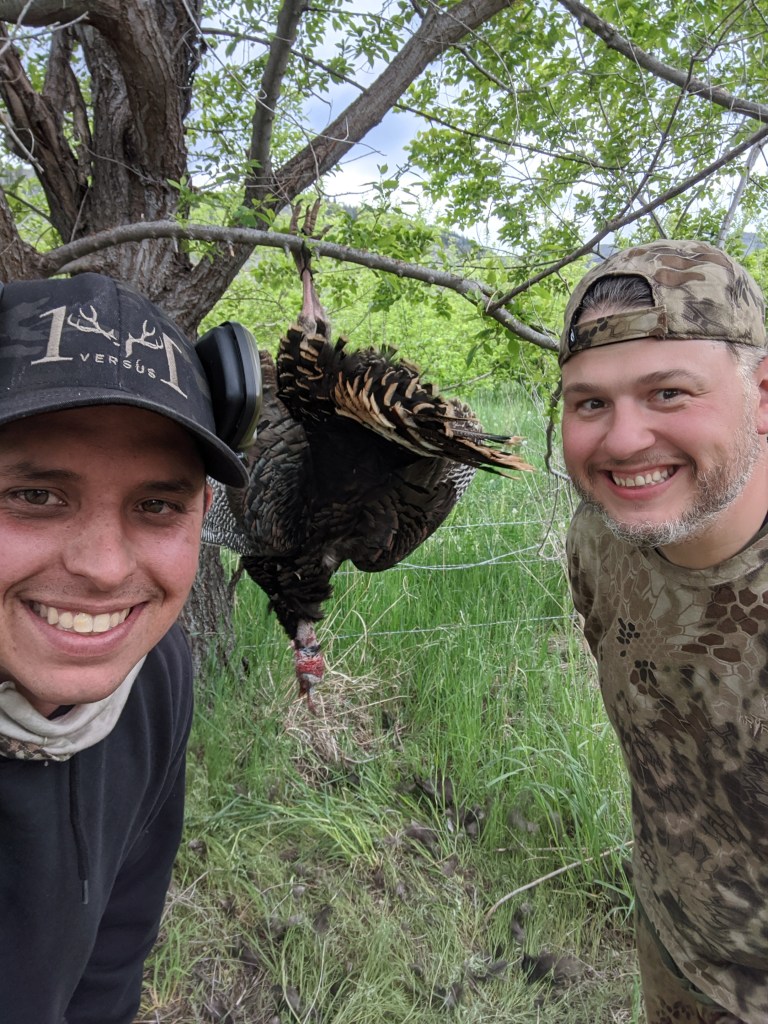
Turkey hunting is a thrilling and challenging sport that requires skill, patience, and strategy. With the right equipment, techniques, and strategies, you can enjoy the thrill of the hunt and bring home a prize turkey. Remember to always practice safety measures when hunting and to respect the wildlife and environment. Find hunters who have lots of experience to help mentor you. This will cut down on your learning curve, but it will also help you build friendships that will last a lifetime. The friends I have made hunting and shooting archery have become the closest people in my life.
Happy hunting!

(I am a Staff Shooter for 60X and Rock Creek Archery)
 The American Bowman Chronicles