Turkey Hunting: A Guide to the Thrill of the Hunt

Some men are mere hunters; others are turkey hunters.

—Archibald Rutledge
Turkey hunting is a thrilling and challenging sport that has been practiced for centuries. It requires skill, patience, and a deep understanding of the habits and behavior of wild turkeys. In this article, we will explore the basics of turkey hunting, including the equipment you will need, the techniques you will use, and the strategies you will employ to outsmart these wily birds.

Equipment

The first step in turkey hunting is to acquire the right equipment. You will need a few key items to get started, including:

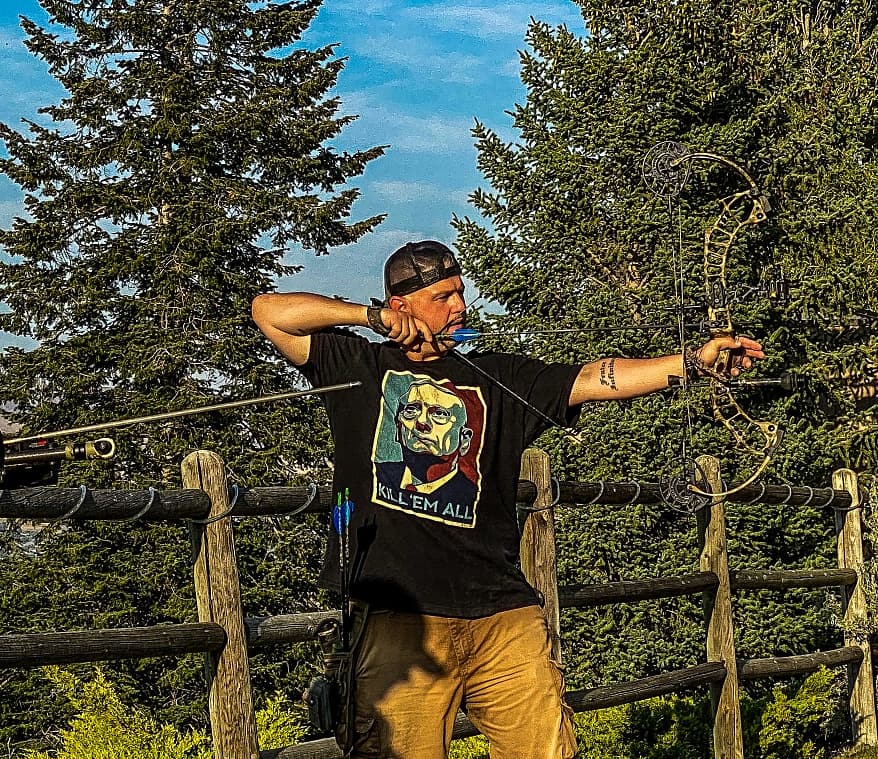
A shotgun or a bow. I have hunted with both and have found that archery hunting provides a greater challenge. This year I will be hunting with an Elite Omnia from Rock Creek Archery and I am upgrading the strings with a set from 60X Custom Bow Strings. I highly recommend hunting with a wide cutting mechanical broadhead to cause more damage and slow your arrow down. This will help you recover your kill quickly.

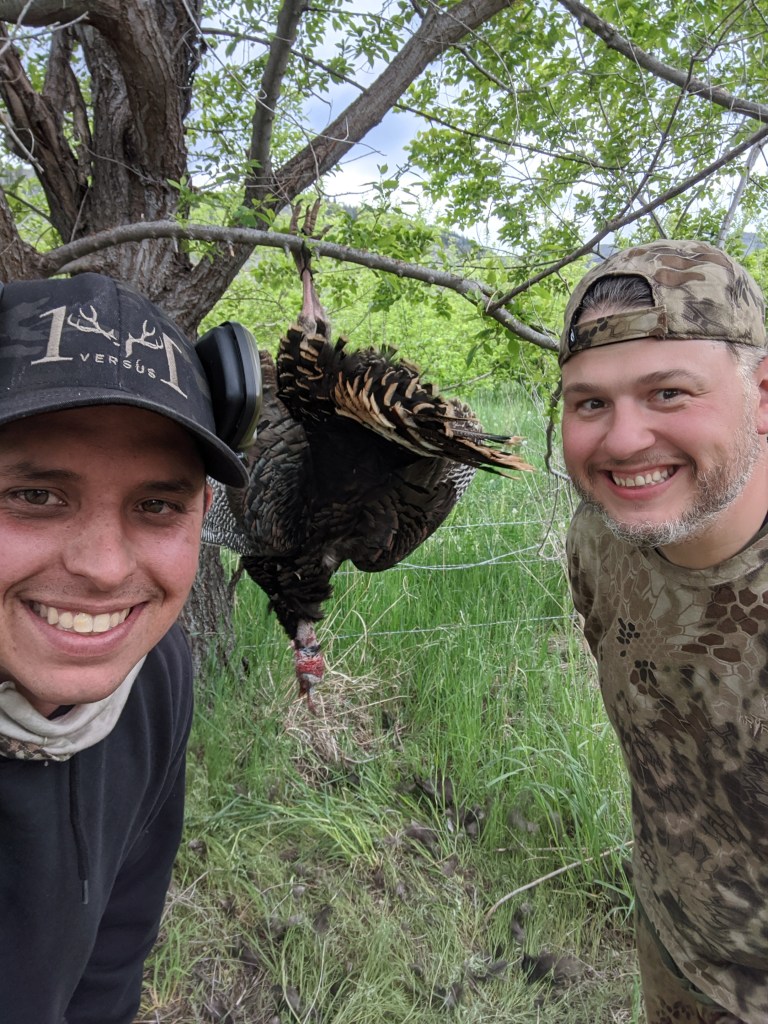
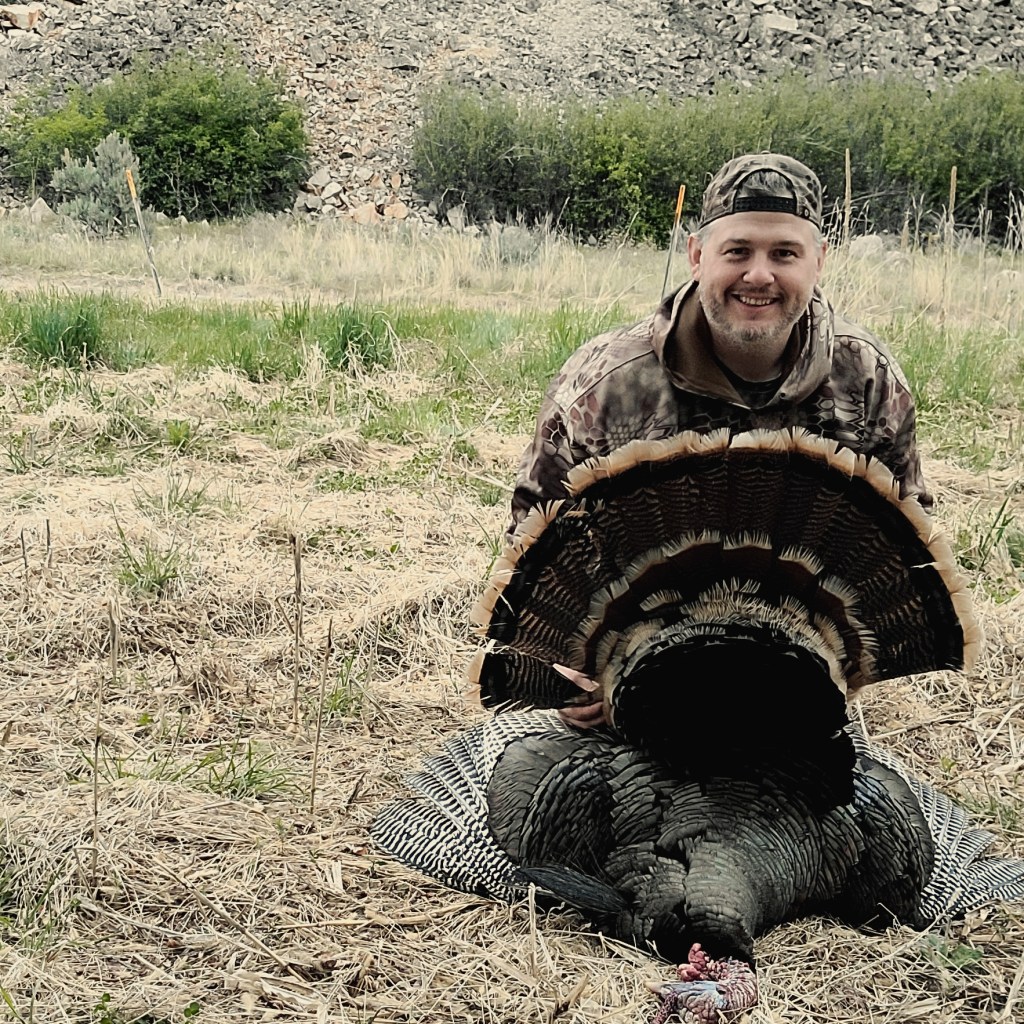
(This is a picture of a turkey I shot a few years ago with my PSE Expedite)

Camouflage clothing: Camouflage clothing is essential for blending in with your surroundings and remaining undetected by the turkeys.

Calls: Turkey calls are used to mimic the sounds that turkeys make, such as clucks, yelps, and purrs. There are a variety of different calls available, including box calls, slate calls, and diaphragm calls.
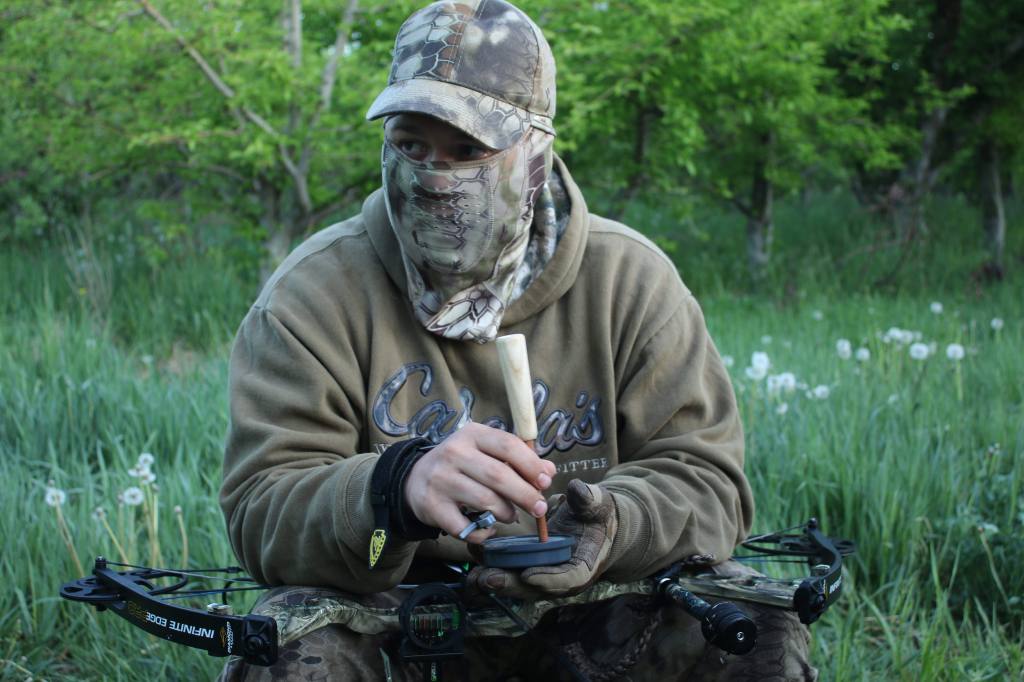
(From my first year Turkey Hunting. I have learned a lot since )

Decoys: Decoys are used to attract turkeys to your location. There are a variety of different decoys available, including hen decoys, jake decoys, and full-strut tom decoys.
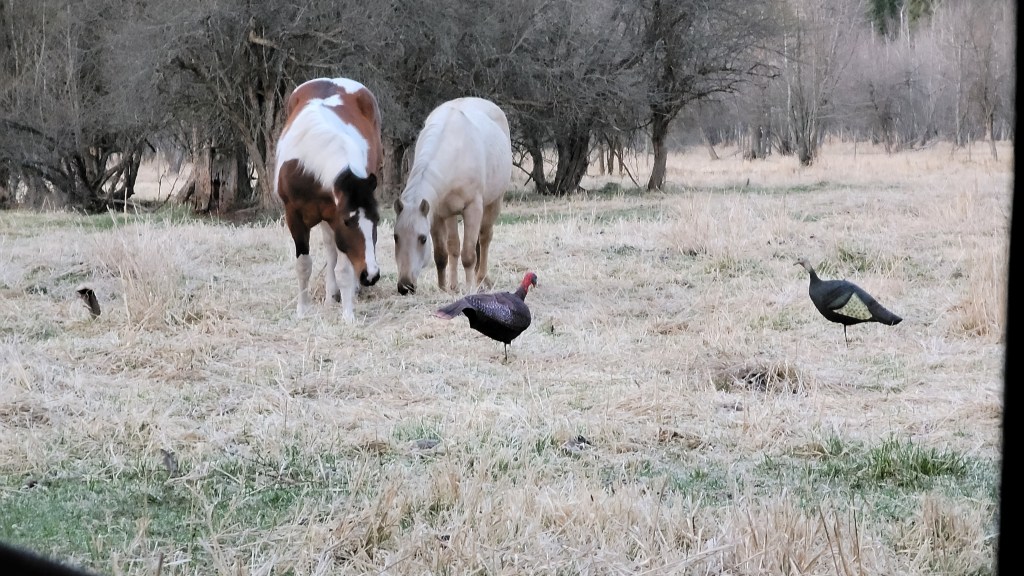
(Called in a couple of horses with my decoys)

Techniques

Once you have acquired the necessary equipment, it is time to learn the techniques used in turkey hunting. Here are a few basic techniques to get you started:

Scouting: Before you begin hunting, it is important to scout the area where you will be hunting. Look for areas where turkeys are likely to be found, such as fields, clearings, and roosting areas.
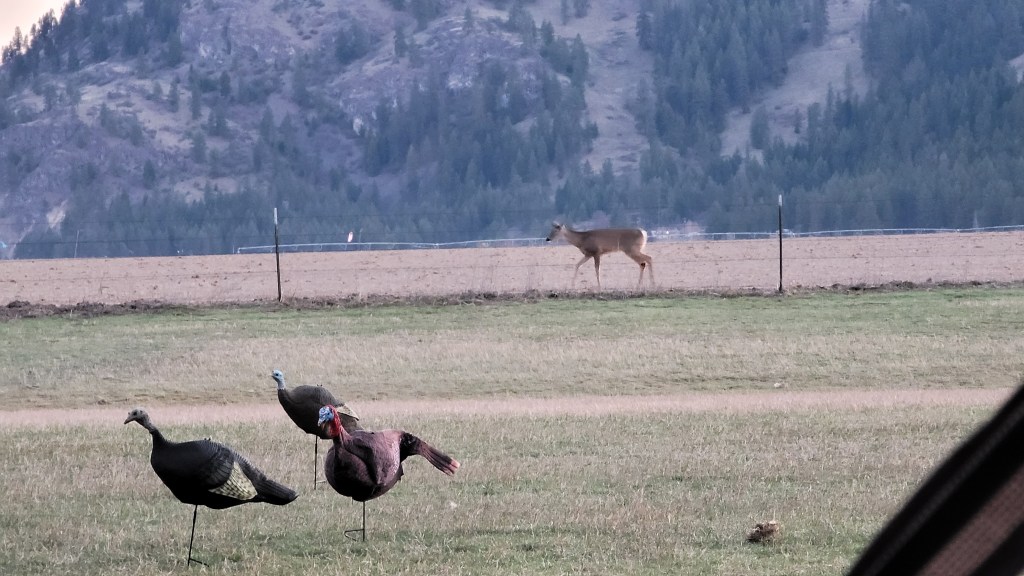
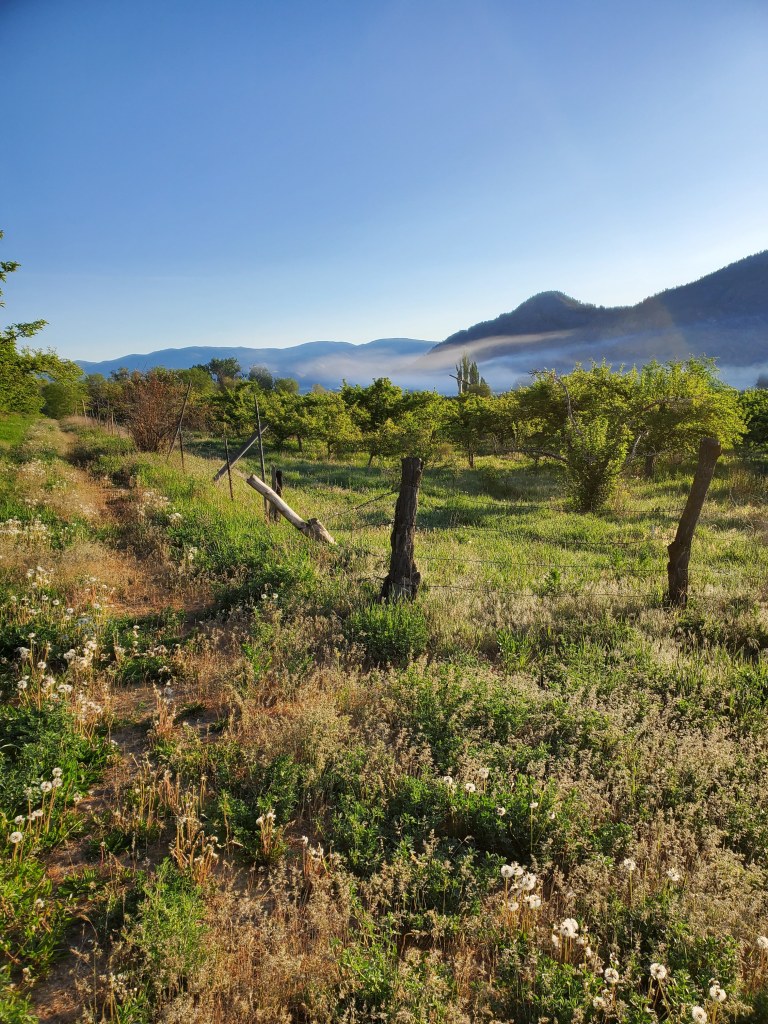
(Found some deer and some turkeys)

Calling: Turkey calling is a critical part of the hunt. The key is to use the right call at the right time, depending on the behavior of the turkeys. Experiment with a variety of different calls to see what works best. There are plenty of videos on YouTube that can guide you on how to call. It is important to not overcall. Sometimes you will get a Tom gobbling at every sound you make. Sometimes it is good to go quiet, so they come in looking. Practice, Practice, Practice. Your partner will appreciate you more if you practice in the garage.

Set up: Once you have located a turkey, it is time to set up your decoys and take your position. Make sure you are well hidden and have a clear line of sight to your decoys. I have seen a lot of success in setting up a bedded hen decoy with a young Jake decoy standing over her. This makes the mature Toms aggressively move into your setup.

Patience: Patience is key in turkey hunting. Turkeys are wary creatures and may take some time to approach your decoys. Be prepared to wait, but if nothing is sounding off go for walk about until you find sign of a roost.

Strategies

Finally, it is important to employ the right strategies in turkey hunting. Here are a few tips to help you succeed:

  1. Hunt in the morning and evening: Turkeys are most active in the morning, making it the best time to hunt. If you have found where the Thunder chickens are roosting, find a spot in between them and the roost for the evening.
  2. Use the right decoys: Depending on the behavior of the turkeys, different decoys may be more effective. Experiment with different types of decoys to see what works best.
  3. Stay still: Turkeys have excellent eyesight and can easily detect movement. Stay as still as possible to avoid detection. I have experienced this in the most exaggerated experience. I was on a nob in scrubland. I hear turkeys moving in from a mile away. I noticed the turkeys looking at me from a hillside. I was convinced they couldn’t see me. I put my right hand up and all 5 turkeys looked at my right hand. Then I put up my left hand, and they all moved their heads to look at my hand. I caught all this through my binos. This is up there for one of the craziest things I have seen while hunting.
  4. Be prepared for the shot: When the turkey approaches your decoys, be prepared to take the shot. Aim for the head or neck to ensure a clean kill with the shotgun. When using a bow, aim for the wing joint.

Turkey hunting is a thrilling and challenging sport that requires skill, patience, and strategy. With the right equipment, techniques, and strategies, you can enjoy the thrill of the hunt and bring home a prize turkey. Remember to always practice safety measures when hunting and to respect the wildlife and environment. Find hunters who have lots of experience to help mentor you. This will cut down on your learning curve, but it will also help you build friendships that will last a lifetime. The friends I have made hunting and shooting archery have become the closest people in my life.

Happy hunting!
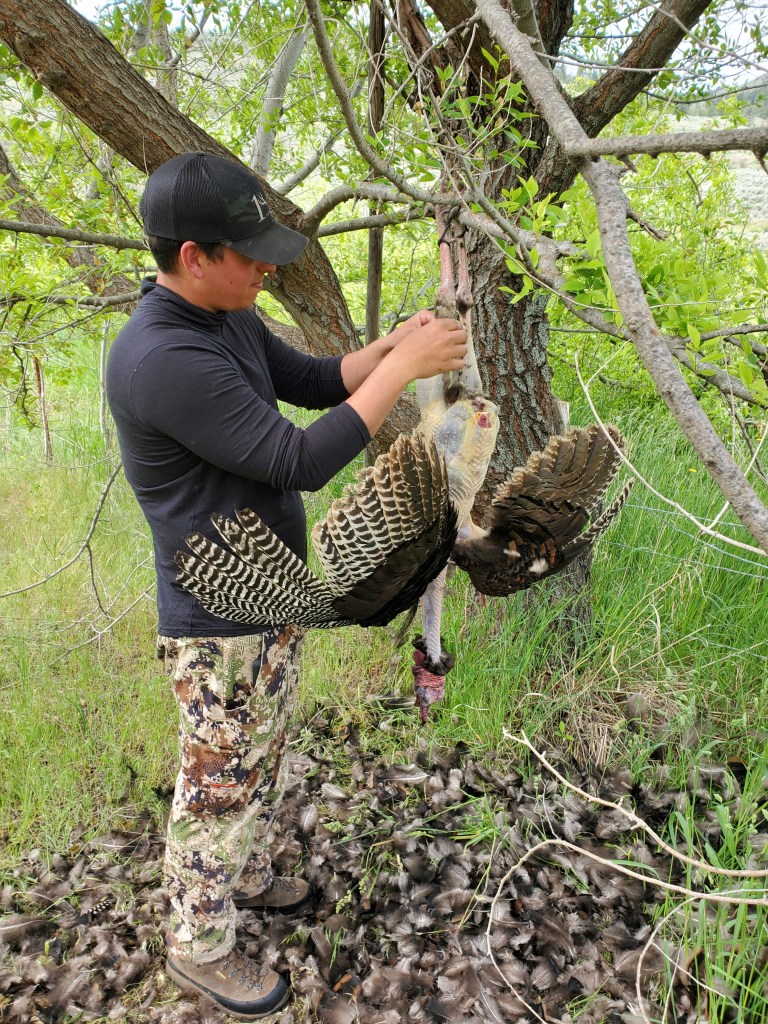
(I am a Staff Shooter for 60X and Rock Creek Archery)
Starting Off Right in Archery

Tuning a compound bow is an essential step in archery that ensures accuracy, consistency, and precision. A well-tuned bow can make a significant difference in shooting accuracy and is an important step for archers to undertake. In this essay, we will discuss the various components and steps involved in tuning a compound bow.

Components of a Compound Bow

Before discussing the tuning process, it is important to understand the components of a compound bow. These components include:

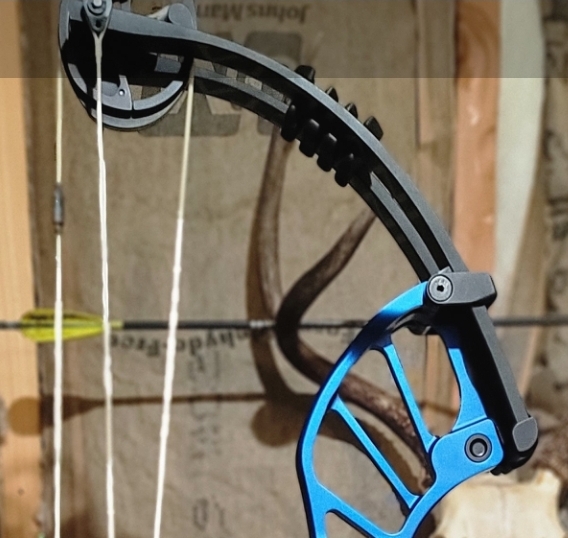
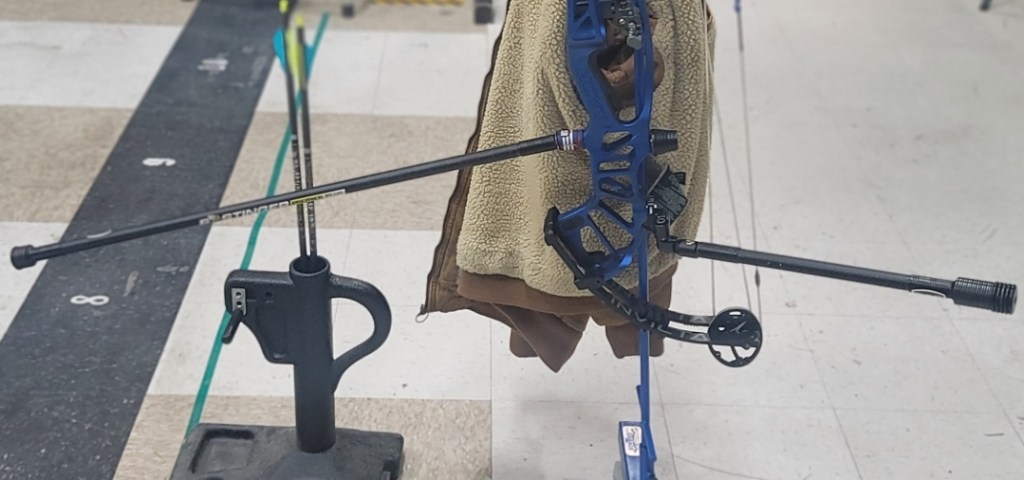
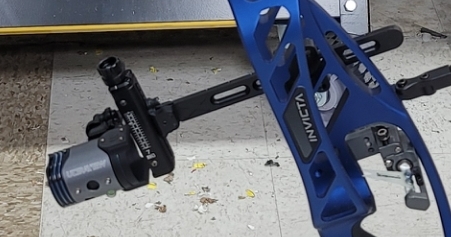
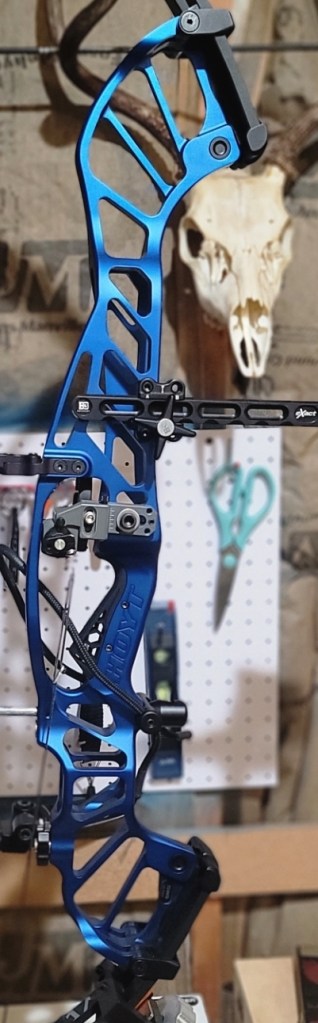
Riser – The riser is the central part of the bow that holds the limbs, arrow rest, sight, and other accessories.

Limbs – The limbs are the parts of the bow that store energy when pulled, and release that energy when the bowstring is released.

Bowstring – The bowstring is the cord that connects the two limbs and is used to draw the bow.

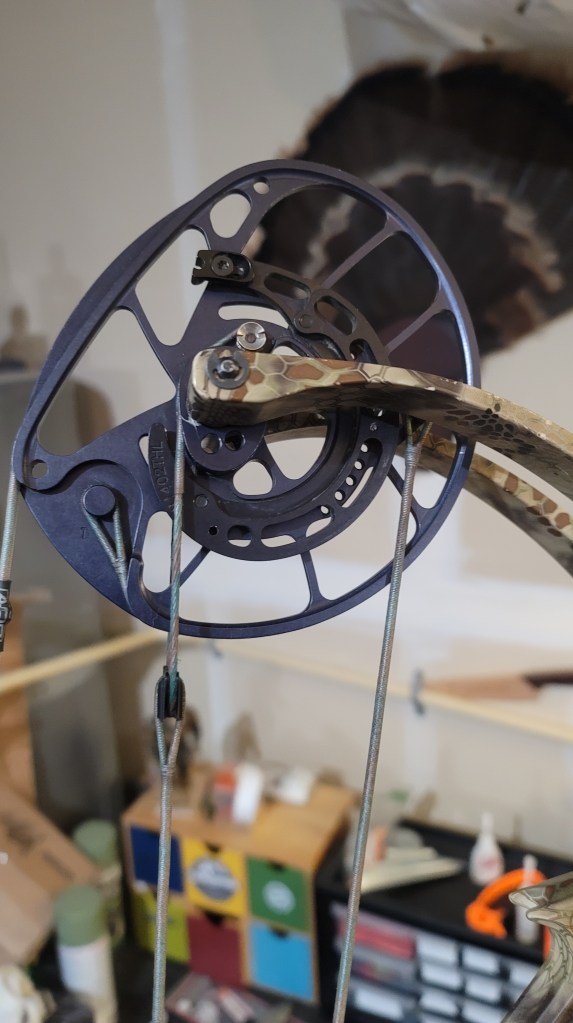
Cams – Compound bows have two cams or wheels at the end of each limb. These cams are responsible for reducing the draw weight of the bow.

Cables – Cables connect the cams and transfer energy from the bowstring to the limbs.

Stabilizer – A stabilizer is a device attached to the bow that reduces vibrations and provides better balance.

Arrow Rest – The arrow rest is a device that holds the arrow in place before and after the shot.

Sight – The sight is an accessory that helps the archer aim at the target accurately.

Peep sight – A peep sight is a small ring attached to the bowstring that helps the archer aim through the sight.

Steps to Tune a Compound Bow

The following are the steps involved in tuning a compound bow:

Check the bowstring – The bowstring should be checked for wear and tear. If it is worn out or has broken strands, it needs to be replaced.

Check the arrow rest – The arrow rest should be checked to ensure that it is securely attached to the bow and that it is not interfering with the arrow’s flight. Moving the rest left right up or down depending on how the arrow tears through paper. See Paper Tuning

Check the nocking point – The nocking point is the point where the arrow is attached to the bowstring. It should be checked to ensure that it is at the correct height. See Paper Tuning

Adjust the bow’s draw length – The draw length of the bow should be adjusted to match the shooter’s anchor point on the face, usually at the corner of the jaw or ear lobe.

Adjust the bow’s draw weight – The draw weight of the bow should be adjusted to match the shooter’s strength, arrow weight, and arrow spine.

Adjust the bow’s cam timing – The cam timing of the bow should be adjusted to ensure that both cams are in sync.

Adjust the bow’s arrow rest – The arrow rest should be adjusted to ensure that the arrow is positioned in the center of the bow.

Adjust the bow’s sight – The sight should be adjusted to ensure that it is accurately aligned with the target.

Test the bow – After making all the necessary adjustments, the bow should be tested to ensure that it is shooting accurately.

    Conclusion

    Tuning a compound bow is an essential step in archery that ensures accuracy, consistency, and precision. A well-tuned bow can make a significant difference in shooting accuracy and is an important step for archers to undertake. The steps involved in tuning a compound bow include checking the bowstring, arrow rest, and nocking point, adjusting the draw length and weight, cam timing, arrow rest, and sight, and testing the bow. By following these steps, archers can ensure that their bow is shooting accurately and consistently.

    Paper Tuning Your Bow

    Paper tuning is an additional step that can be taken to ensure that the bow is shooting accurately. It involves shooting an arrow through a sheet of paper and analyzing its hole pattern to determine any adjustments that need to be made.

    To paper tune a compound bow, follow these steps:

    1. Set up a large sheet of paper on a 3 ft from sturdy backstop.
    2. Stand about six feet away from the paper and shoot an arrow through the center of the paper.
    3. Examine the hole pattern in the paper. It should be a clean, round hole with no tears or frayed edges.
    4. If the hole pattern shows that the arrow is flying straight, then no further adjustments are needed.
    5. If the hole pattern shows that the arrow is flying to the left, then move the arrow rest to the right.
    6. If the hole pattern shows that the arrow is flying to the right, then move the arrow rest to the left.
    7. If the hole pattern shows that the arrow is flying low, then raise the nocking point.
    8. If the hole pattern shows that the arrow is flying high, then lower the nocking point.
    9. Repeat the process until the hole pattern shows that the arrow is flying straight.

    By paper tuning the bow, archers can ensure that their bow is shooting accurately and consistently, further improving their overall accuracy and precision.

    Step To The Line: Competing in Archery

    The ultimate victory in competition is derived from the inner satisfaction of knowing that you have done your best and that you have gotten the most out of what you had to give.

    Howard Cosell

    Archery is an increasingly popular sport that requires skill, dedication, and practice. If you’re interested in trying your hand at competing in archery, there are several steps you need to take in order to get started.

    The first step in starting to compete in archery is to learn the basics. Take a class at a local Pro Shop like Rock Creek Archery or taking an online class like ShotIQ. Most archery classes will teach you the fundamentals such as proper form, technique, and safety. You will also learn about the different types of bows and arrows, as well as their accessories.

    Once you’ve completed the class, you’re ready to purchase your own gear. Before you buy, do some research on the different types of bows, arrows, and accessories available. You will want to make sure you get equipment that is suitable for your skill level and budget. Archery has come a long way and you can’t go wrong with the major bow manufactures. Find a bow that works great for you. Hoyt, Elite, PSE, or Bowtech to name a few.

    I also recommend getting after market strings that will help you be more consistent. 60X Custom Strings is a great place to find those.

    Once you have the right gear, you’re ready to practice. Set up your target in a safe area and practice shooting from different distances. Make sure to focus on your form and technique as you practice.

    Finally, once you feel comfortable with your skills, you can begin competing in archery tournaments. Many local archery clubs and ranges host tournaments throughout the year. You can also search online for larger tournaments in your area. Before competing in a tournament, make sure you are familiar with the rules and regulations.

    Competing in archery can be a rewarding and enjoyable experience. To get started, learn the basics, purchase the right gear, practice regularly, and find a tournament to compete in. A lot of new archers are hesitant to compete in archery tournaments, but tournaments are great way to meet people who can help you get better. The archery community is one of the most warm communities you will find and the people love to help others.

    With dedication and practice, you can take your archery skills to the next level.

    California Guided Archery Hunt

    For sheer enjoyment and unparalleled excitement, archery hunting is unsurpassed. There’s nothing like the thrill of tracking and pursuing a wild animal, of drawing the bow, and of releasing the arrow in the (hopefully) correct direction. It truly is an experience like no other.

    It was only natural that I, a passionate and dedicated bow hunter, jumped at the chance to take part in a guided archery hunt. With hunting season in full swing, there were several options for hunting locations and species. I settled on a private ranch in California offering the hunt for wild turkey and deer. I was eager to test my hunting prowess and see if I could bring down some game with a bow and arrow.

    I arrived at the hunting camp a few days before the hunt began, armed with my essential gear, including a compound bow, arrows, a hunting quiver, and of course some high-quality camo clothing. After a team meeting to review the rules and regulations, I joined the group on the first morning of the hunt. As I set out into the wilderness, I couldn’t help but feel a sense of excitement in the air.

    To begin the hunt, I started by tracking signs of deer activity in the area. After a few hours of searching, I was really starting to feel the effect of fatigue from the heat and humidity. However, as if in response to my determination, I eventually managed to come across deer tracks in a meadow.

    Armed with this new incentive, I followed the tracks for several more miles until I eventually located a herd of four deer grazing in a small meadow. This was exactly the kind of opportunity I had been dreaming of. After studying the herd for a few moments, I decided to set up a blind in the nearby trees.

    I wouldn’t have to wait long to get a shot. Within a few moments of my setting up the blind, one of the deer began to move in my direction. I could tell at once that this was an experienced buck, and one of the largest in the herd. I drew my bow, aligned the sights, and let loose the arrow.

    After what felt like an eternity, the arrow found its mark, and the deer ran off. I could sense the excitement coursing through me as I watched the arrow fly through the air, but I wasn’t prepared for the sheer elation I felt when it landed in the target. After hooting and hollering like a crazy person, I ran out to find the deer, which I quickly located less than twenty feet from where it had been moments earlier.

    I was beyond excited to have succeeded in my first archery hunt. Little did I know that it would be the first of many more successful outings to come. Hunting with the bow and arrow will always be a part of my life, and the memories I have are for a lifetime.

    Story by AI

    A Reflection on Archery Hunting

    I had heard stories of archery hunting since I was a young boy, stories of brave hunters using bows and arrows to take down massive game. Now, here I was, halfway up the mountain, bow in hand and arrow nocked, to take part in this timeless tradition.

    The crisp mountain air was biting, but invigorating. I inhaled the scent of pine, and felt a deep sense of satisfaction already starting to rise in my chest. This was going to be a great day.

    I crept silently through the brush and undergrowth, eyes peeled for any sign of game. I crept through the forest, looking for my quarry. The sound of birds chirping occasionally broke the silence and the sound of a rustling river nearby was soothing.

    Finally, after what seemed like hours, I spotted something off in the distance. It was big, and moving. I grabbed my bow, and steadied my breathing. I had to be sure I could make this shot. My heart was pounding, but I knew I could make it.

    I had awoken hours before, while it was still dark. Hours of preparation built up to this moment. I had done my pre season work, ensuring all game trails were known and scouted. I had checked and rechecked my equipment multiple times, making sure each piece of my arsenal was properly placed and ready to go. I had cooked and eaten a hearty breakfast, fueling my body with enough energy to last me through my hunts.

    With strong confidence, I set out, eager to find the prey that would hopefully appear during my hunt. I moved my feet slowly and silently, scanning the environment for any game. I was careful to not leave any signs of my presence, so as not to alert or frighten any animals.

    Eventually, after a few hours of searching, I located a large buck. It was the kind of impressive sight that always left me in awe. But, I knew that I had to remain focused in order to make my shot. I took a deep breath and readied my bow.

    The buck had stepped off and was standing in a position perfect for a shot. I took one more breath, then released an arrow.

    The arrow whizzed through the air, hitting a deer straight through its heart. The deer let out a loud moan before collapsing onto the ground, dead.

    I was ecstatic. Archery hunting had always been a passion and now was finally able to experience it. After years of practice and preparation, I was finally able to take down my first deer with a bow and arrow. After securely fastening the deer in my pack, I set out to clear out space for the deer meat.

    I travelled for more than an hour as I traversed the dense woods before eventually reaching my campsite. Although the sun had started to set and the chill of the evening was beginning to set in, I didn’t care. I was too ecstatic to feel any exhaustion.

    I quickly began to set up camp. Once everything was set up, I prepared the deer for cooking. I skinned it and cut it into pieces, salting and seasoning the meat to add some flavor.

    Once I was done preparing the meat, I placed it on the cooking set and started the fire. As meat cooked, I stared out into the woods and admired the beauty of nature. The sun had fully set and the darkness of night was slowly settling in, bringing with it its own ambiance.

    After putting out the fire, I tucked myself into my sleeping bag and fell into a deep sleep.

    Story By AI

    A September Tradition

    I was excited and a bit intimidated. I had a few hunting stories from Grandpa to draw on, but no one was there to show me the ropes. I anxiously checked my rifle, supplies, and bag of provisions. It wasn’t long before I was setting off into the woods in hunt of a trophy buck.

    The morning sun was shining and I had the trees overhead like a canopy of protection. I hiked along the trails at a steady pace and kept an eye out for any signs of game. I even stopped a few times and stood still to survey the environment. I was looking for any clue that could lead me to my target.

    After a few hours I had hiked further and further in, unaware of how deep I had gone. Then, there it was…a single white-tailed deer galloping through the still morning air. My heart raced and my hands began to tremble in anticipation. Everything was in place and I was ready for action. I slowly made my way closer and kept the deer in sight.

    I moved with a calculated purpose, every movement deliberate and focused. When I finally got close enough, I found a comfortable spot where I knew I could make a shot without startling the deer. I knelt down and aimed my rifle.

    I held my breath and felt the cool morning air on my skin as I took aim. I thought of all the hunts that had taken place and all the generations of hunters that had come before me. There was no turning back, I knew this was my moment and it was now or never.

    The muscles in my arm tensed as I held my aim and waited for the right moment. Taking my shot and with a loud crack, my target was down.

    A wave of relief washed over me and I slowly stood, still not believing that I had done it. I walked over to my prey and looked upon it with wonder and admiration.

    After a few short minutes, I was prepared to take my prize back to base camp. I rested it over my should and proudly made my way back. I was filled with emotion and the thrill of my first successful hunt.

    This hunting story is one that I will tell my grandchildren years from now. That fateful September day was the start of a lifelong journey, and one that will be remembered for years and years to come.

    Story By AI

    A Canadian Thing

    It had been weeks since I set out on my hunting trip, traversing the thick wilderness of the Canadian Rocky Mountains. The only company I had was the occasional wildlife that I encountered, mostly harmless creatures like deer and squirrels that shared the land with me. But I was here for a much more towering prey, and had been since the morning I flew in on my small bush plane. I was hunting for bigger deer that had been spotted in this region.

    The hunt had been hard, and I felt as if I was getting close to giving up. Every morning I’d wake up, get ready, and trudge through the cold, rugged trails. Everywhere I’d go, I’d come up empty. I had taken every hunting precaution, like wearing camouflage and keeping my scent concealed. But even with all the precautions, I was still unsuccessful.

    My frustration had grown to the point that I was almost ready to give up and go home. But something inside me pushed me on, and I decided to keep hunting. I had travelled a long way and had come this far, so I figured I might as well make the most of the day.

    I slowly made my way through the forest, walking slowly and quietly. I kept my eyes and ears open, constantly scanning my surroundings for any signs of game. Eventually, I caught sight of a few deer grazing in the distance. I paused, my heart racing with anticipation as I watched them. I moved in closer as silently as I could, and soon realized that I had stumbled upon a large herd.

    I crouched low, not daring to make a sound, and waited for the perfect opportunity to take my shot at one of the larger bucks in the herd. I could have fired from that spot, but I wanted to get as close as I could in order to get a clean kill. I waited patiently for what felt like an eternity, until finally I saw one of the larger bucks stepping forward.

    I steadied my rifle, took aim, and fired. To my delight, my shot was true, and the buck dropped like a stone. I quickly moved in to make sure it was dead, and then stood back and admired my prize.

    I was ecstatic; it had been a long and difficult journey, and I had finally achieved my goal.

    I knelt down and field dressed the buck as efficiently as I could, and then headed back to my vehicle. I was exhausted, but happy with what I had accomplished. I loaded my kill into the car and made my way back home.

    I will never forget that hunt, and the feeling of elation that I experienced when I brought down that buck. It was a feeling like no other I had ever experienced, and it will stay with me forever. Hunting is a tradition that has been passed down through the generations, and I was happy to be a part of it. That September day was the first time I set out for a solo hunt. Little did I know that it would be the beginning of a lifelong passion.

    By AI

    Potheads and Sasquatch in The Elk Woods

    I’m a weirdo magnet, but I’m handling it better than I used to.

    Brian Molko

    3000 feet of elevation up; 200 feet down in a steep gnarly draw; and 5 miles back, you would expect to be alone in the elk woods on a Monday morning at 6 am. Not me! I have this uncanny ability to run into weirdos while I am hunting. From tweakers to blacked out alcoholics and potheads, they all seem drawn to me as soon as I step off into the woods. If I don’t run into a crazy, I am honestly shocked and little disappointed. This has happened to me so often, that it is not weird anymore.  

    This elk season started like any others. I got to the trailhead the night before opening. After a night of getting rained on while sleeping in the bed of my truck, I was up before the roosters; itching to begin the hunt. Even though there was a car parked at the trailhead, I was confident that I wouldn’t be running into another hunter where I was going. All morning I bow-hiked up a mountain, just to start hunting.

    I started working into a trashy draw. It was steep and strewn with blowdowns. Deep in the woods, I heard rustling and trees breaking in the distance. Slowly, my dream of shooting an elk was moving in. This was it! I thrashed bushes and lightly cow called. The elk in this area are very call shy, so I avoided bugling. Yard by yard it came in. With heart pounding and bated breath, finally, there it stood, a large hairy hippie in cargo shorts and crocs. He was accompanied by skinny raggedy companion in flip flops.

    In utter shock I asked, “What are you doing?” Taking a drag of his joint the big man stated matter-of-factly, “Looking for Sasquatch.” He and his buddy then walked past me into the forest. I stood there in the haze of his joint, wondering what I was going to do now that all the elk will have been blown out. Just as I committed to hiking out to another spot, I heard a log crack and raking about 200 yards away. Quickly, I went back to thrashing. Slowly, an elk made its way across the draw and on to my side of the hill. The bull went silent, and it was nowhere to be seen.

    Again, I was thinking about hiking out when a monster scream erupted in my face. My sphincter tightened and my heart started pounding out of my chest, for the second time in 2 hours, there stood a big 7×7 bull, 40 yards away. I drew back on my bow and my pin settled on its vitals.

    My vision narrowed, breathing slowed, and calm settled throughout my body. Just as my shot was about to break, a truck rattles by on the road above me, with a bugle emitting from the window. The bull spins swiftly and runs out of my miserable little life. An opportunity to shoot my first elk was ruined by a guy who cut a lock to road hunt. Road warriors always find away. Even though this was a brutal shot to my gut, on the hike out my thoughts were occupied with Big Foot Hunters.

    I couldn’t wrap my head around these two individuals who were smoking weed and were clearly unprepared for the backwoods. They didn’t have hiking boots on, were not carrying water nor food, and were wearing t-shirts and shorts. It was cold, wet, and really early in the morning. They had to have left the trailhead in the dark without a headlamp. As I was nearing my truck, I started to get concerned that I might have to call Search and Rescue for those two ragamuffins. Exhausted, hungry, and foot sore I dropped my pack off on the tailgate of my truck and slammed a Gatorade.

    As my bearings slowly returned to me, I noticed a hooptie Camry parked nearby. Smoke filled the car, and those two idiots were laughing their asses off as they passed a bag of Cheetos back and forth (This stereotype was hilariously true). Relief washed over me as I realized they made it back safely.

    The elk woods are insanely tough place to hunt. There are mountains of elevation to climb. Gnarly draws a hunter has to dive into. If you are lucky enough to kill an elk, you have to pack out hundreds of pounds of meat. These issues are compounded by our own community. Hunters constantly make it harder on each other by crowding each other out. Good hunting spots are far and few between. We put so much emotion, money, and effort into the chance to kill an animal. A great way for hunters to coexist in the shrinking habitat is to work together. One way to do so is to talk to each other at the trailhead. Agree to hunting areas and keep to those sections. I have not always been the best at doing so, and I am working on that.

    Interactions with non-hunters in the woods have always been a puzzle that I couldn’t solve. I don’t understand why they would be out there while people with weapons are sending projectiles all over the place. I know we have to share the public space with them, but they often don’t recognize the same rules that hunters play by. I have had trail runners blow stalks (This happened to me the day after this encounter). I have had guys walking their dogs right through my turkey decoy setup miles away from the nearest trail or road. I’ve also come across a guy taking a nap in the middle of clearcut. It’s hard not to get mad at them, but we really don’t have a leg to stand on when it comes to these situations. It’s like holding an Atheist accountable to Christian beliefs. They operate in a different paradigm. The best we can do is to portray ourselves in the best light and share our experiences with them.

    American Bowman

    Travis Tweet

    A Hunter’s Right and Responsibility

    A true conservationist is a man who knows that the world is not given by his fathers but borrowed from his children.

    -John James Audubon

    (If you want to do more for our hunting rights, go here: www.howlforwildlife.org )

    Hunting is that great tradition which connects humanity to its creation. It binds us to the food we eat, our ancient progenitors, and those great sovereigns Life and Death. Each generation before us has preserved this heritage for the next. Our generation of hunters now wear the mantle of guardianship.

    Today’s hunters find our storied heritage is under a ferocious attack by individuals who have lost their tie to the rhythms of nature. While we cling tightly to those aspects of our hunting faction, our nemesis takes a scythe to the fringe hunting rights we don’t value. String by string our inheritance is being unraveled. Eventually, the next generation will be left with dusty weapons hanging on their walls and their thoughts lingering on our past mounted triumphs.

    Over the last decade there has been an increased attack on hunting rights. In 2021, Washington State hunters lost their right to hunt Spring bears. In early 2022 we saw a heard of elk lose 80% of their calves with collars to predators.  These issues span across many states. New Jersey saw their bear rights disappear recently as well. Trappers and Houndsmen have been facing a relentless attack for years as the hunting community stood by and watched it happen. “We don’t trap or hunt with dogs. It doesn’t matter to us,” is a tired refrain that has greatly injured our community.

    For now, the loss of hunting with dogs has only affected cougar and bear hunters. Could waterfowl hunters be affected next? I wouldn’t be surprised if it does. Don’t believe me? Take a look at Oregon State’s proposal: “The Abuse, Neglect, and Assault Exemption Modification and Improvement Act (the “Act”)” This Act would make it illegal to kill any animals, except for cases of self-defense. The egregious bill will make any kind of pet ownership and husbandry illegal. Say goodbye to ranching. Despite what many may think, the attack on bear hunting rights is very beginning to a disastrous end.

    The anti-hunting community’s goal is to abolish hunting. We have seen 10 states ban various forms of trapping throughout the US. Oregon’s proposed IP 13 bill highlights what they want to happen. This is their end goal. They are trying to ban all hunting, fishing, and ranching. Our hunting dystopian future is their paradise. Just like gun rights, they are whittling at the edges of our traditions until we are left sitting on our couches watching old hunting videos. Meanwhile, predators will run rampant across the landscape demolishing prey animals.

    Taking predators is a vital part of the North American Model for Conservation. Predators wreak havoc on ungulate populations and will ultimately destroy decades worth of work to preserve wildlife and ecosystems. There are groups of people who ignorantly believe that if we remove all hunting, nature will balance itself out. The fallacy of this argument is that humans have altered nature beyond balance. Cities have grown and expanded to a point that wildlife is being pushed into smaller and smaller ranges. Our population continues to grow and expand across the landscape. This means that prey animals cannot range beyond populations of predators, and they’re encountering each other more frequently. We have a duty as hunters to conserve our resources and protect our rights beyond the taxes we pay.

    The Pittman-Robertson Act has and continues to be hunters’ biggest claim to protecting our hunting traditions and the environment. The money we spend has brought more animals from the brink of extinction then any other entity. When we buy ammo, guns, or hunting equipment we fund the conservation of our animals and landscapes. Our gear junkies, especially, make a huge impact on preserving wildlife. Show them love.

    A lot of hunters proudly brag about our contribution to conservation. Sadly, the money we spend is no longer enough. We need to make our voices heard by filling out surveys from the Wildlife departments, attend town halls on hunting rights, and write our politicians. Howl For Wildlife can help you facilitate this. We need to be louder than our adversaries, such as PETA. Hunters have a responsibility to portray our activities in best light on social media, in the news, and in face-to-face interactions. The fight isn’t to convince PETA to leave us alone. The fight is to bring the majority moderates to our side. To help them see we are ethical, respect our prey, and honor the land we take them from. The advocates against hunting have banded together in a united front to end hunting. They are organized, determined, and active. These are their strengths, yet they lack one thing. They do not represent that majority of Americans.

    The problem with our community is its fractured nature. Hunters belittle and bicker with each other over weapon types, ethical shot distances, and size of antlers. We find reasons to discount other forms of hunting that don’t match our own. Trad bow hunters say that compound hunters take the easy way out. Both say that crossbow hunters don’t count. While rifle hunters say that archers are not ethical in using a less effective weapon. Don’t get me started on hunting over bait. The merry-go-round goes round and round with no end in sight. It is more than enough that we tear each other down, but we also hurt our individual selves. A friend of mine pointed out to me that it is really aggravating when guys diminish their kill by posting on social media commenting, “It’s not that big.” Now it really gets under my skin too every time I see it. If it is big enough in the moment, be proud of your animal. Be proud for each of our members who take animals ethically. More than ever, hunters must band together to protect our traditions and rights.

    If you genuinely care about your rights and traditions as a hunter, put aside your disputes with other hunters. Be active in your community. Write your politicians. Portray hunting in healthy light on social media and in face-to-face conversations. If you do not know where to get started, go to www.howlforwildlife.org . You can lend your voice to many hunting issues across your states and our nation. There are also some pretty cool perks, swag, and discounts that come from joining Howl For Wildlife.

    The American Bowman

    Travis Tweet